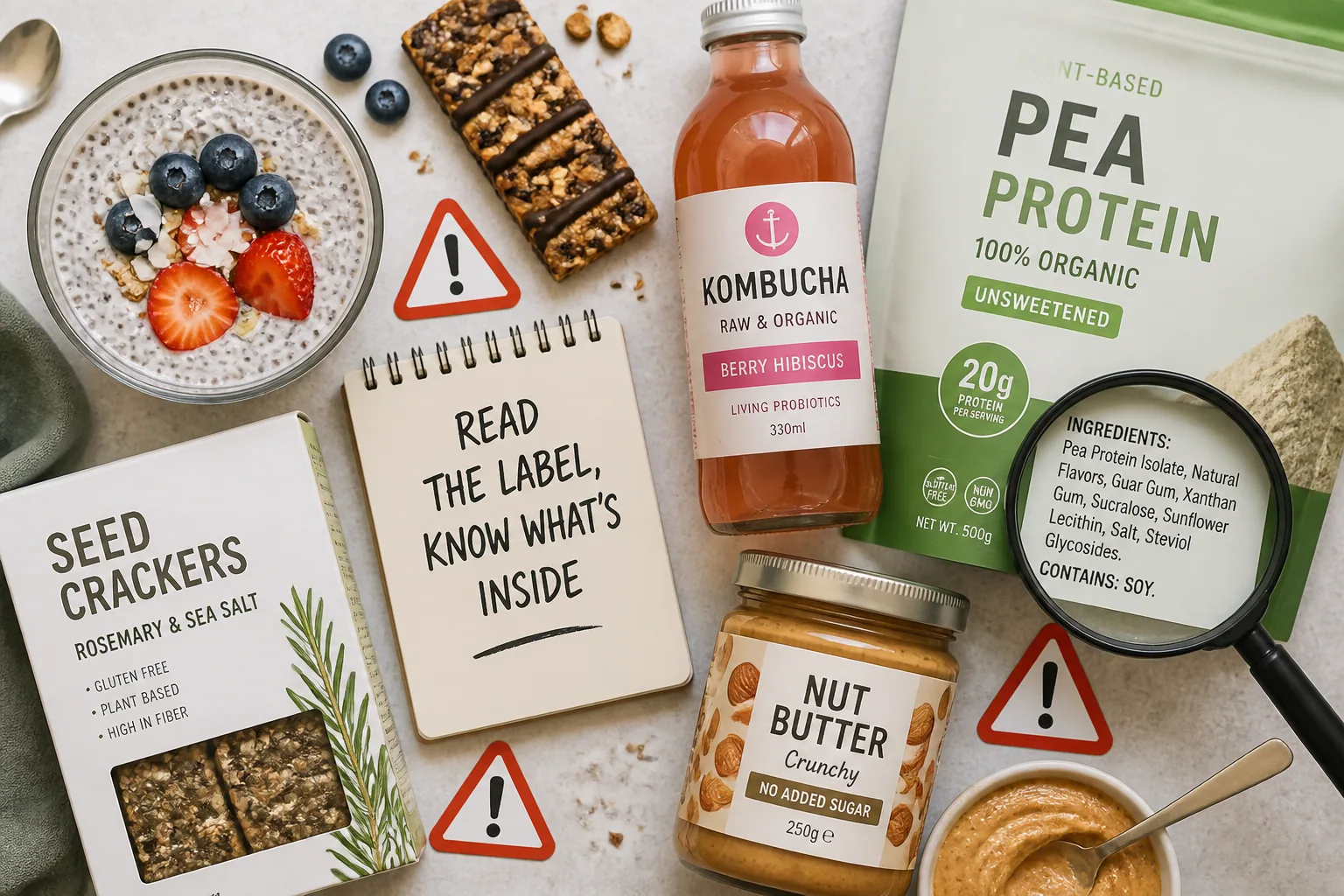
Why Some “Healthier” Foods Trigger Allergies: What Labels Don’t Tell You
A food can look healthy, modern, and even allergy-friendly at first glance, yet still be risky for sensitive people. That is the problem with wellness marketing. Words like clean, plant-based, gut-friendly, high-protein, dairy-free, or superfood can create a powerful halo effect, but they do not guarantee safety. In fact, some of the very ingredients that make these products trendy can also make them more complicated for people with allergies, intolerances, or cross-reactive sensitivities.
The tricky part is that many of these foods are built around concentrated ingredients. Protein isolates, seed blends, fermented bases, functional additives, and nut alternatives are often more processed and more concentrated than the whole foods they replace. That can increase exposure to allergenic proteins, hide the original source of an ingredient, or make label reading harder than it should be. If you have ever stood in a store wondering whether a “healthy” snack is actually safe for you, you are not alone.
The “Healthy Means Safe” Myth
One of the biggest misconceptions in allergy-aware shopping is assuming that a health-focused product is automatically low risk. It is easy to see why people think that way. Foods marketed as natural, wholesome, or clean seem more trustworthy than highly processed snack foods. But from an allergy standpoint, “healthy” describes a marketing position, not a medical guarantee.
A plant-based protein bar can still contain pea protein, soy, tree nuts, sesame, or hidden additives sourced from allergens. A dairy-free yogurt can still be made with cashew or almond. A gluten-free cracker can still include seed ingredients or shared-facility contamination. And a functional drink can still contain flavor enhancers or stabilizers that are derived from common allergens. The front of the package may sound reassuring, but the ingredient list tells the real story.
This is why allergy-safe shopping requires a different mindset. Instead of asking whether a product is healthy, the better question is whether it is safe for your specific triggers. Those are not the same thing.
Why Superfoods and Functional Foods Can Still Be Allergenic
Superfoods often get treated as if they are inherently better for everyone. In reality, many of them are simply nutrient-dense foods with a strong marketing narrative. Chia, flax, hemp, pea protein, kombucha, tempeh, and nut-based blends are all popular because they fit current wellness trends. But popularity does not erase allergen risk.
Some functional foods use concentrated extracts or isolates to raise protein content, improve texture, or boost shelf appeal. That can matter because concentration increases exposure to the proteins most likely to trigger an immune response. Research has noted that pea-derived ingredients are increasingly used in plant-based foods, and for some people, especially those already allergic to other legumes, they can cause severe reactions including anaphylaxis. Cross-reactivity has been observed between pea proteins and peanut or soy proteins, which makes pea-based products especially important to evaluate carefully. Allergy UK discusses these reactions here: https://www.allergyuk.org/resources/reactions-to-pea-protein/ and a scientific review on pea allergens and cross-reactivity is available on ScienceDirect: https://www.sciencedirect.com/science/article/pii/S0924224421004556
The takeaway is simple: “functional” often means concentrated, and concentrated often means more likely to matter if you are allergic or sensitized.
Hidden Allergy Risks in Seeds, Plant Proteins, and Nut Alternatives
Seeds and legumes are among the biggest surprises in modern health foods. They are used in bars, crackers, protein powders, dairy alternatives, spreads, and snacks because they add texture, protein, and a premium wellness image. But for allergy-aware shoppers, they can create problems in more ways than one.
Take pea protein. It appears in shakes, meat alternatives, baked goods, and snack foods because it is versatile and inexpensive. Yet it is not one of the major allergens required to be declared under U.S. federal allergen labeling rules. The FDA requires packaged foods to identify the eight major allergens, and sesame was later added under the FASTER Act, but pea is not included in that list. The FDA’s labeling guidance explains this framework here: https://www.fda.gov/regulatory-information/search-fda-guidance-documents/guidance-industry-questions-and-answers-regarding-food-allergen-labeling-edition-5 Health Canada has also warned specifically about pea protein and peanut allergy: https://www.canada.ca/en/health-canada/services/food-nutrition/food-labelling/allergen-labelling/information-pea-protein-peanut-allergy.html
Seeds can also be a problem. Chia is often sold as a superfood, but there are documented cases of anaphylaxis in a sesame-allergic patient after chia exposure, showing possible cross-reactivity between seed proteins. That matters because people often assume that if a food is “just a seed,” it is automatically safe. It is not. Similar storage proteins across seeds can confuse the immune system and trigger reactions in people with existing seed allergies.
Nut alternatives deserve the same caution. Almond milk, cashew yogurt, hazelnut spreads, and mixed nut cheeses may look like convenient dairy substitutes, but they still contain tree nut proteins unless the product is clearly formulated and verified otherwise. Tree nut allergy can also involve cross-reactivity across multiple nuts, and some products marketed as “nut-free” may still face cross-contact risks in shared facilities or during processing.
Even seed oils can be confusing. Highly refined oils often contain very little protein, which lowers the risk for many people, but unrefined or cold-pressed versions may retain more allergenic material. Labels like “vegetable oil” can also hide the exact source, leaving shoppers guessing unless they read the full ingredient panel carefully.
Fermented, Gut-Healthy, and Clean-Label Foods That Deserve a Second Look
Fermented foods are another category that can seem almost universally healthy, especially in gut-health marketing. Kombucha, sauerkraut, tempeh, soy sauce, aged cheeses, and similar products are often promoted for digestion or microbiome support. But for some people, these foods can trigger symptoms that look like allergies even when the mechanism is different.
Many fermented foods are naturally high in histamine and other biogenic amines. For people with histamine intolerance, the body has trouble breaking histamine down efficiently, often due to lower activity of enzymes like DAO. That can lead to flushing, hives, nasal congestion, headaches, digestive upset, and other reactions that can be mistaken for classic food allergy. A systematic review on low-histamine diets has found very high histamine levels in some fermented products, which helps explain why these foods can be difficult for sensitive individuals. One accessible discussion is here: https://www.heyallergy.com/blog/fermented-foods-and-histamine-who-should-limit-them and the review is available on PMC: https://pmc.ncbi.nlm.nih.gov/articles/PMC8143338/
Clean-label food can also be deceptive. The phrase sounds reassuring because it suggests simplicity and purity, but it often just means fewer additives on paper or a more natural-looking marketing style. It does not mean free from allergens, free from cross-contact, or free from ingredients that can trigger intolerance symptoms. In other words, a clean label is not the same thing as a safe label.
Cross-Reactivity: When a Healthy Ingredient Mimics Another Allergen
Cross-reactivity is one of the most important concepts to understand if you react to trendy health foods. It happens when the immune system recognizes similar protein structures in different foods and reacts to both. This is why someone allergic to one food may unexpectedly react to another, even if the foods seem unrelated to a shopper browsing a label.
Pea protein is a strong example because pea, peanut, and soy are all legumes. Their proteins can share structural similarities such as vicilins, legumins, and albumins. That means a person with peanut or soy allergy may need to pay close attention to pea-based products, even if the product is marketed as plant-powered or allergy-conscious.
Seed cross-reactivity can be just as surprising. Chia seeds, sesame, flax, and other seeds may share protein patterns that matter to the immune system. The documented chia and sesame case is a reminder that “new superfood” does not mean biologically new to the body. Sometimes the immune system sees a familiar pattern, and that is enough to trigger a reaction.
This is also why food trends can increase allergy confusion. The more a single ingredient is used across bars, shakes, powders, snacks, and meat alternatives, the more opportunities there are for sensitized people to be exposed without realizing it.
What Food Labels Reveal, and What They Don’t Make Obvious
Food labels do provide useful information, but they rarely give the whole picture at a glance. In the United States, major allergens must be declared, including milk, egg, peanut, tree nuts, wheat, soybeans, fish, crustacean shellfish, and sesame. That helps, but it still leaves plenty of room for risk. Many newer ingredients, including pea protein and a wide range of seed derivatives, are not part of mandatory major allergen disclosure.
That means you can have a product that is technically compliant and still not safe for you. The ingredient list may include terms like lecithin, hydrolyzed vegetable protein, natural flavor, starch, fiber, emulsifier, or stabilizer. Those words can be perfectly legal while still hiding an allergen source that matters. For example, lecithin may be soy-derived, hydrolyzed vegetable protein can come from soy or wheat, and some gums or thickeners can be seed-based.
Precautionary statements add another layer of uncertainty. Phrases like “may contain,” “made in a facility that processes,” or “shared equipment” are voluntary in many cases and vary by brand. Some companies use them conservatively, while others use them only after specific risk assessments. That inconsistency makes them helpful but not definitive.
The practical result is that shoppers often need to read the full ingredient list, the allergen statement, and sometimes the packaging history before deciding whether a product is safe enough to buy.
Common Health Food Ingredients Allergy-Aware Shoppers Should Watch
If you shop in the wellness aisle, these are some of the ingredients worth treating with extra caution:
Pea protein and pea starch, especially in plant-based meat, protein shakes, snack bars, and dairy alternatives. These are increasingly common and may not be highlighted clearly as allergens.
Chia, sesame, flax, hemp, and mixed seed blends, especially in granolas, crackers, breads, and “superfood” snacks. Cross-reactivity and cross-contact can both matter here.
Almond, cashew, walnut, pistachio, hazelnut, and blended nut bases used in dairy-free milks, yogurts, cheeses, and spreads. Tree nut cross-reactivity and contamination are real concerns.
Fermented ingredients such as kombucha, tempeh, miso, sauerkraut, soy sauce, and aged cheeses for people with histamine intolerance or sensitivity to biogenic amines.
Additives and processing aids such as lecithin, hydrolyzed vegetable protein, guar gum, carrageenan, stabilizers, emulsifiers, and flavor enhancers, since the source may not be obvious from a quick scan.
“Dairy-free,” “gluten-free,” and “soy-free” products that still rely on other common triggers, because being free of one allergen does not mean being free of all of them.
How Allergy Scanner Tools Make Label Reading Easier
Reading every package in the supermarket is exhausting, especially when ingredient lists are long, small, and filled with unfamiliar names. That is where allergy scanner tools can make a real difference. Instead of manually decoding every label, you can scan a barcode and get a faster view of what may be unsafe for you.
Tools like Bokha: Food Allergy Scanner App can help simplify this process. It scans product barcodes and identifies allergens in less than a second, including 13 allergens, traces, and additives such as colorants and preservatives. For people trying to avoid risky ingredients while shopping quickly, that can save both time and stress. You can learn more here: https://findthe.app/bokha.
That kind of support matters because food label reading is not just about spotting obvious allergens. It is about catching hidden sources, processing risks, and ingredients that do not show their full identity on the front of the package. A scanner cannot replace medical advice or personal judgment, but it can make the first pass much easier and much faster.
Smart Ways to Choose Truly Safe Healthy Products
If you want to buy healthier foods without falling for halo marketing, start by flipping the package over. Ignore the front-panel buzzwords until you check the ingredient list and allergen statement. That is where the real information lives.
Then look for the actual source of the protein, fat, or fiber. If the product says plant-based, ask which plants. If it says high-protein, ask whether that protein comes from pea, soy, milk, egg, or nuts. If it says dairy-free, ask what replaced the dairy. If it says gut-friendly, ask whether it is fermented or histamine-rich.
When possible, choose simpler products with fewer ingredients and fewer opportunities for hidden allergens. Short ingredient lists are not automatically safer, but they are usually easier to evaluate. Also pay attention to the manufacturer’s allergen statement, not just the nutrition claims. A snack can be low sugar and still be unsafe.
If you have a history of severe reactions, do not rely on vague wording like natural flavor or vegetable protein. When in doubt, contact the brand directly or avoid the product entirely. And if you are shopping regularly, using an allergy scanner can help you make these decisions faster and with less mental load.
Final Checklist for Buying Wellness Foods With Confidence
Before buying a “healthy” food, ask yourself a few quick questions. Does the product contain any of my known allergens, including ingredients that might be hidden under broad terms? Is it relying on trendy proteins like pea or soy? Does it contain seed or nut ingredients that could cross-react with my allergy profile? Is it fermented, aged, or otherwise high in histamine? Could there be cross-contact from shared equipment or facility processing?
Also remember that marketing language is not safety language. Clean, natural, high-protein, and gut-friendly can be useful descriptors for nutrition trends, but they do not tell you whether a product is suitable for your body. The safest choice is the one that matches your personal allergy profile, not the one that sounds healthiest on the shelf.
If you build the habit of checking the ingredient list, understanding common hidden sources, and using tools that speed up scanning, you will make fewer guesswork purchases. That is the real goal: not simply eating healthier, but eating with confidence.