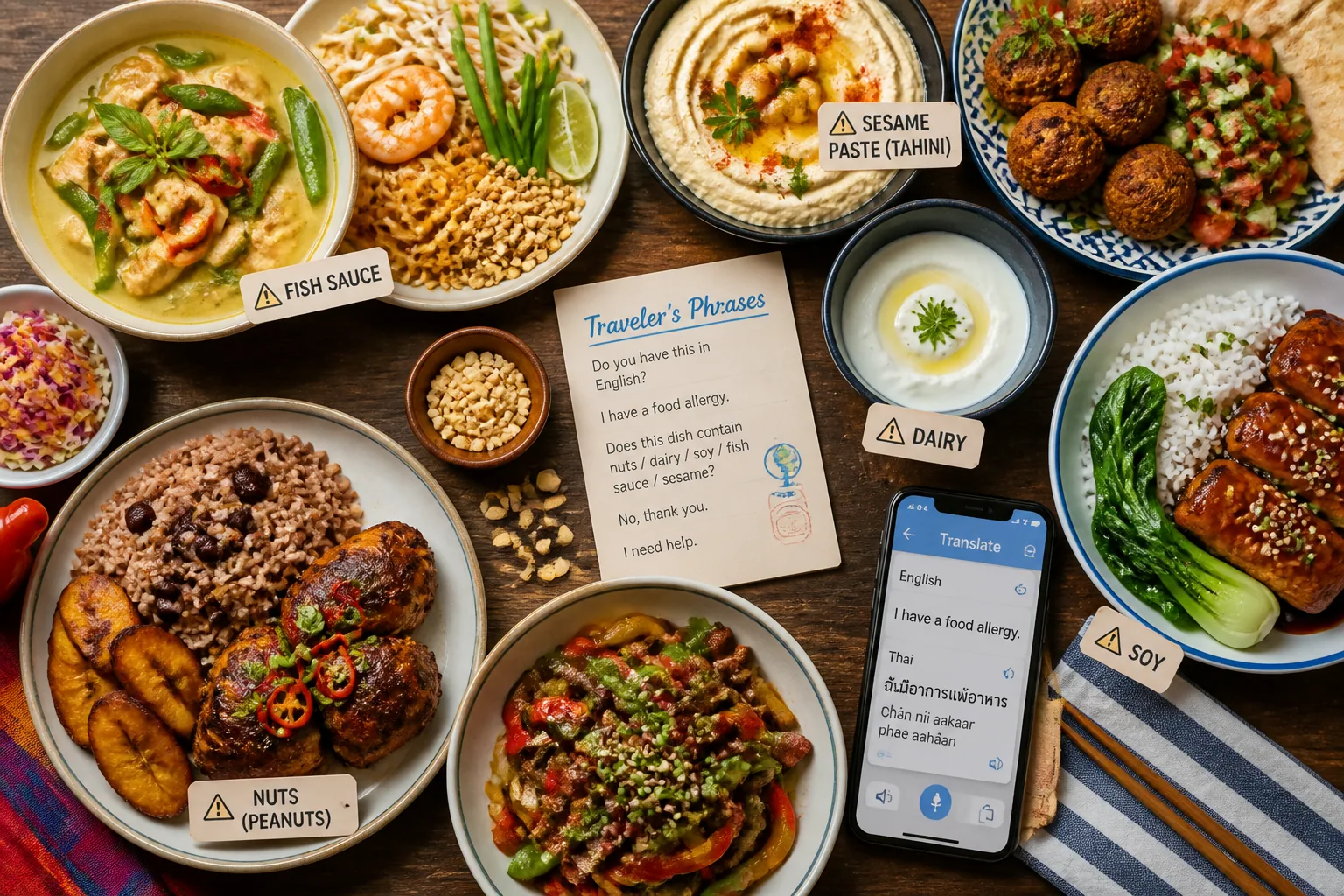
How Global Cuisine Ingredients Hide Common Allergens And How to Spot Them
Exploring food from around the world is one of the great joys of travel and home cooking. The challenge is that many traditional recipes rely on ingredients that do not always look like allergens at first glance. A sauce can contain fish, a paste can contain shrimp, a dessert can be packed with egg yolks, and a savory dish can hide wheat in a thickener or soy sauce. If you eat cautiously because of allergies or intolerances, those surprises can turn an exciting meal into a stressful one very quickly.
The good news is that global cuisine does not have to be off limits. Once you understand the most common hidden allergen patterns, learn how to decode ingredient names, and know what questions to ask, you can enjoy a much wider range of foods with more confidence. This guide walks through common traps across several culinary traditions and gives practical ways to identify risky ingredients before they reach your plate.
Why Hidden Allergens Are So Common in Global Cuisine
Traditional cooking is built on flavor, preservation, and local availability, not on modern allergen labeling. That is why the same ingredient can appear in multiple forms, or be used so routinely that it barely gets mentioned in a recipe. Fermented sauces, spice pastes, clarified butter, nut pastes, cream-based fillings, and egg-rich sweets are all deeply embedded in regional cooking traditions. For someone with food allergies, these everyday ingredients can be easy to miss because they are often treated as background flavor rather than major components.
Another reason hidden allergens show up so often is that recipes change from family to family, region to region, and restaurant to restaurant. A dish name may sound familiar, but the exact preparation can vary in a way that matters a lot for allergens. That is especially true when traveling abroad or eating in specialty markets, where the same food may be prepared with different broths, sauces, thickeners, or garnishes. The safest approach is not to assume a dish is safe because it sounds familiar, but to ask what is actually in it.
There is also a scientific reason to be careful with some traditional fermented ingredients. Fish sauce, shrimp paste, and fish paste can contain very high levels of histamine, which is known to trigger reactions in people with histamine intolerance and can complicate symptoms for sensitive eaters. A study of imported Southeast Asian fermented fish products found that average histamine levels exceeded 50 ppm in 92.6% of samples, with especially high averages in fish sauce, fish paste, and shrimp paste. Source: ScienceDirect, Food Chemistry: https://www.sciencedirect.com/science/article/pii/S030881460500467X
Southeast Asian Staples: Fish Sauce, Shrimp Paste, and Peanut-Based Condiments
Southeast Asian cuisines are beloved for their balance of salty, sweet, sour, and spicy flavors, but many of those flavors are built from ingredients that can be easy to overlook. Fish sauce is one of the biggest examples. It is often used in soups, stir-fries, dipping sauces, marinades, and salad dressings. Even when it is not obvious in the finished dish, it may be tucked into the base of the sauce or broth. For someone avoiding fish, this is an immediate concern, but it can also matter for people sensitive to fermented ingredients or histamine.
Shrimp paste is another major trap. It appears in curries, sambal, relishes, and chili pastes, and because it is so concentrated, a small amount can change the flavor of an entire dish. In some recipes, it is blended with aromatics so thoroughly that it is difficult to detect by sight alone. If you are allergic to shellfish, you should treat any dish made with shrimp paste, dried shrimp, or shrimp stock as high risk unless it is clearly confirmed otherwise.
Peanuts are also common in many regional sauces, noodle dishes, and salads. They may show up as crushed toppings, blended sauces, satay-style marinades, or garnish powders. The tricky part is that peanut use can be very obvious in one dish and nearly invisible in another, especially when it is ground into a paste or used as a thickening agent. If a menu mentions peanut sauce, nut garnish, satay, or crushed peanut topping, ask whether the sauce is made in-house and whether cross-contact is possible in shared woks, blenders, or mortars.
A practical tip for Southeast Asian cuisine is to ask about the base of the dish, not just the visible toppings. Questions like, “Does this broth include fish sauce or shrimp paste?” and “Is this sauce made with peanuts or shellfish?” are far more useful than asking whether the dish looks spicy or vegetarian. The visible ingredients may not tell you much, but the base often reveals the real allergen risk.
Middle Eastern Dishes: Sesame, Nuts, Yogurt, and Clarified Butter
Middle Eastern food is another place where hidden allergens are easy to miss because so many dishes are built from rich, blended ingredients. Sesame is the major standout. Tahini appears in hummus, baba ghanoush, sauces, dips, dressings, sweets, and snacks. For sesame-allergic diners, this means that many dishes that seem vegetable-based or protein-based can still carry a serious risk. The ASCIA Dietary Guide for Sesame Allergy specifically lists tahini, halva, hummus, baba ghanoush, and related snacks as foods that should be avoided by people with sesame allergy. Source: https://www.allergy.org.au/images/pc/ASCIA_PC_Dietary_Guide_Sesame_Allergy_2023.pdf
Nuts are also widely used in sweets, pilafs, pastries, and garnishes. Pistachios, almonds, walnuts, and pine nuts can appear whole, chopped, ground into fillings, or turned into syrups and pastes. That means the allergen may be present in a visible topping, but it may also be hidden inside a layered dessert or mixed into a stuffing. If you are ordering a dish you have not seen before, it is worth asking whether nuts are used in the filling, sauce, or finish rather than assuming the dish is nut-free because it is savory.
Dairy can be another surprise. Yogurt is common in marinades, sauces, drinks, and cold accompaniments, while clarified butter or ghee is used for frying and finishing in many regional kitchens. For lactose-intolerant diners, ghee may be tolerated better than butter in some cases because it contains very little milk solids, but that does not make it safe for everyone with a dairy allergy. When the issue is a true milk allergy, even trace amounts may matter, so clarification from the cook is essential.
It is also worth remembering that some classic dishes vary enough that their allergen content is not fixed. Moroccan harira, for example, may include gluten from flour in the thickener known as tedouira and may include egg in some regional versions. That kind of variation shows why it is not enough to know a dish by name. You need to know how the version in front of you was prepared.
Caribbean Cooking: Dairy, Shellfish, and Spice Blends with Surprise Ingredients
Caribbean cooking is vibrant, aromatic, and deeply regional, but it can also be unexpectedly rich in allergens. Coconut milk is common in many island dishes, which can give the impression that recipes are dairy-free. But that is not always true. Cuban, Puerto Rican, and Barbadian cuisines, for example, can include butter, cheese, or cream in certain recipes, side dishes, and sauces. A dish that seems tropical or plant-based at first glance may still contain milk ingredients.
Shellfish is another ingredient that may be hidden in stocks, seasoning blends, rice dishes, and seafood stews. A recipe might not visibly contain shrimp or crab, but the flavor base can still come from shellfish stock or bouillon. This is particularly important in mixed dishes where the seafood flavor is blended into the background. If you have a shellfish allergy, do not assume that a dish is safe just because the shellfish is not visible on top.
Wheat also appears in more Caribbean food than many travelers expect. Fried batters, roti, dumpling-style sides, and some breads commonly use wheat flour. That matters for both celiac disease and wheat allergy, especially when dishes are sold as street food or served in restaurants where recipes are not standardized. The Caribbean Allergen Guide notes that wheat flour is frequently used in these items, making them risky for gluten or wheat-sensitive individuals. Source: https://www.nib.lu/cuisines/caribbean
When spices are involved, the challenge is not always the spice itself but the blend. Pre-mixed seasoning packets can include soy, gluten, milk powders, or other additives depending on the producer. If you are cooking at home, the safest option is often to build your own seasoning mix from individual spices so you know exactly what is inside. That also gives you better control over salt, heat, and allergen exposure.
East Asian Condiments: Soy Sauce, Oyster Sauce, Wheat, and Fermented Additions
East Asian cooking often depends on condiments that are deeply flavorful but not always allergen-friendly. Soy sauce is the clearest example. It is commonly made from soybeans and wheat, which means it is a frequent issue for people avoiding gluten or wheat. The FDA states that under the U.S. gluten-free labeling rule, a product made with wheat may not be labeled gluten-free unless the wheat has been processed to remove gluten and the product is declared appropriately. Source: https://www.fda.gov/food/nutrition-food-labeling-and-critical-foods/questions-and-answers-gluten-free-food-labeling-final-rule
Oyster sauce is another common source of shellfish exposure. It may be used in stir-fries, braises, noodle dishes, and vegetable dishes, sometimes in small amounts that are easy to miss. Because it is so often mixed into the sauce base, a diner may not realize it is present unless they ask directly. Fermented bean sauces, chili pastes, and seasoning sauces can also include wheat or seafood ingredients, so it is worth checking every condiment used in the cooking process.
The larger lesson here is that condiments matter as much as main ingredients. A vegetable dish can be made unsafe by a sauce, a noodle bowl can be made unsafe by a broth, and a simple stir-fry can be made unsafe by a splash of sauce added at the end. If you are sensitive to gluten, soy, fish, or shellfish, learn the common names of the sauces used in the cuisine you are exploring. That knowledge can save you from relying on guesses.
European and Mediterranean Foods: Egg Washes, Cream Sauces, and Nut-Filled Pastries
European and Mediterranean foods may feel familiar to many travelers, but hidden allergens still show up often. Egg wash is a major example. It is used to give breads, pies, and pastries a shiny finish, and it can be brushed onto savory items as well. That means the allergen is not only in custards or mayonnaise-based sauces. It may be on the surface of food that otherwise looks safe.
Cream sauces and butter-rich preparations are another common issue. Pasta dishes, gratins, soups, and baked vegetables may rely on cream, milk, or cheese for texture and flavor. For dairy-allergic eaters, these ingredients are not always obvious from the name alone. A dish described as “simple” or “traditional” may still hide milk in the sauce, a finishing drizzle, or the cooking fat.
Nut-filled pastries are especially important in Mediterranean and European dessert traditions. Almond paste, hazelnuts, pistachios, walnuts, and mixed nut fillings are common in layered pastries and regional sweets. Because many desserts are sold pre-cut or presented as assortments, nut contact can also happen through shared trays and utensils. If you are ordering dessert in a bakery, ask whether nut-containing items are stored or sliced separately.
Portuguese-origin sweets that spread through colonial trade in Asia, such as fios de ovos, are another example of how desserts travel while keeping their allergen load. Fios de ovos use large amounts of egg yolks and sugar, which makes them high risk for anyone with an egg allergy. Likewise, Thai regional egg-based desserts such as thong ek, thong yip, thong yot, foi thong, sangkhaya, and mo kaeng combine egg and coconut milk, creating two separate allergen concerns in one sweet. Source: https://en.wikipedia.org/wiki/Fios_de_ovos and https://en.wikipedia.org/wiki/Thong_ek
How to Decode Ingredient Names Across Languages and Labels
One of the most useful skills for eating safely abroad is learning to recognize ingredient names in other languages. Allergens are often hidden behind culinary terms that do not immediately translate for a traveler. Fish paste, shellfish broth, sesame paste, dairy solids, and wheat-based thickeners can all appear under local names that seem unfamiliar at first. The key is to look beyond the dish title and learn the likely ingredient families behind it.
Translation tools can help, but they work best when you know what to search for. Instead of typing only a dish name, ask for a translation of the ingredient list or cooking method. If a menu says a sauce is “traditional,” that may tell you very little. If it says the dish is simmered in a fermented paste, thickened with flour, finished with butter, or garnished with nuts, that is much more actionable. Many allergens hide in those method words.
It is also important to remember that labels can be incomplete or inconsistent outside your home country. A packaged sauce might say it contains soy, but not make clear that it also contains wheat. A bakery item might list eggs but not mention that the glaze includes milk. When you are uncertain, ask for ingredient lists whenever possible, and if the product is not labeled clearly, choose the more cautious option.
Smart Restaurant Questions to Ask When Traveling Abroad
Asking the right questions can make a huge difference in restaurants. Start with the dish base, not just the final garnish. Good questions include: Does this contain fish sauce, shrimp paste, oyster sauce, tahini, yogurt, butter, cream, egg, peanuts, or wheat? Was it cooked in the same oil, wok, grill, or fryer as allergens? Are the sauces made in house or purchased pre-made? These questions are direct, specific, and more useful than a broad question like “Is this safe for me?”
If language is a barrier, keep your questions short and simple. Allergen phrase cards in the local language can help you communicate clearly without relying on imperfect translation in a noisy restaurant. It can also help to show the staff the exact ingredient you need to avoid, rather than asking them to guess what category your allergy falls into. For example, showing the word for sesame or shellfish can prevent confusion between a preference and a medical need.
Do not forget to ask about cross-contact. Shared utensils, cutting boards, fryers, blenders, and ladles are common sources of accidental exposure. This is especially important in small restaurants where one workstation handles multiple dishes or in places where fried foods and sauces are prepared in the same area. A dish may be made without your allergen intentionally and still be unsafe because of the kitchen setup.
How to Verify Allergen Safety at Ethnic Grocery Stores
Ethnic grocery stores are fantastic for discovering ingredients, but they require the same caution as restaurants. Imported sauces, spice blends, frozen dumplings, sweets, and snack foods may not follow the labeling standards you are used to. The most important habit is to read the ingredient panel carefully and not rely on front-of-package claims alone. A label that says “original” or “traditional” tells you nothing about allergens.
If the package is unfamiliar, look for likely allergen families in the ingredient list: soy, wheat, milk, egg, fish, shellfish, sesame, peanut, and tree nuts. Also check for processed ingredients that can hide those allergens, such as flavoring, seasoning paste, thickener, emulsifier, or protein extract. When in doubt, ask the store staff if they can show you a more detailed label or direct you to a version made without the allergen.
For packaged foods, a scanner can save time and reduce guesswork. A tool like Bokha: Food Allergy Scanner App can help you scan product barcodes and discover allergens in less than a second, which is especially useful when you are comparing imported sauces, snacks, and pantry staples in a busy store. You can find it here: https://findthe.app/bokha
Tips for Adapting Traditional Recipes Without Losing Authentic Flavor
Cooking global food at home gives you the chance to keep the spirit of a dish while making it safer. The best adaptations start by identifying what each ingredient does. Does the fish sauce provide salt and umami? Does the tahini add body and nuttiness? Does the egg create richness or binding? Once you understand the role of the ingredient, you can look for a substitute that preserves the function, not just the name.
For example, a dish that uses fish sauce for savoriness may be adjusted with salt, mushroom-based seasoning, or another umami-rich ingredient, depending on what is safe for you. A sesame-based sauce may sometimes be reworked with sunflower seed butter or another seed-based alternative if sesame is the allergen. Cream sauces can sometimes be replaced with plant-based options, while egg washes can be skipped or brushed with a safe substitute that still gives color and shine.
When adapting recipes, keep the core technique intact whenever possible. Traditional recipes often rely on timing, layering, and texture more than a single exact ingredient. If you can preserve the method, you can often preserve the feel of the dish even while changing the allergen profile. Test small batches first, and write down what works so you can repeat it confidently later.
Travel Tools: Translation Cards, Allergy Apps, and Local Research
Preparation is what turns food anxiety into food confidence. Before a trip, make a short list of the allergens you need to avoid and translate them into the local language. A printed or saved allergy card can be especially helpful if you are eating in a country where menu English is limited or where staff may not be familiar with your specific allergy. Keep the wording direct and medically clear.
Allergy apps can help you organize information, but they work best when combined with local research. Look up the common dishes of the region before you go, and learn which ingredients are likely to appear in broths, sauces, desserts, and marinades. Search for the names of local condiments as well as the finished dishes. That gives you a much better chance of spotting a hidden allergen before you sit down to eat.
It also helps to identify a few safe backup options before you travel. Knowing where to buy simple snacks, plain staples, and labeled packaged foods can reduce pressure when you are tired, delayed, or unable to communicate perfectly. The goal is not to avoid exploring. The goal is to explore with enough structure that you can enjoy the meal instead of worrying through it.
A Safer Way to Explore the World Through Food
Hidden allergens are common in global cuisine because so many beloved dishes are built from layered sauces, fermented bases, dairy-rich finishes, nut pastes, and egg-heavy sweets. That does not mean you have to give up international food. It means you need a strategy. Learn the usual allergens of the cuisine, ask about the base ingredients, verify labels, and trust your instincts when information is incomplete.
With a little preparation, you can still enjoy the excitement of tasting something new. The safest eaters are usually not the ones who know every cuisine perfectly. They are the ones who know how to investigate, how to ask, and how to adapt. That is how you keep flavor on the table while reducing the chances that hidden allergens will catch you off guard.